Chinese Astrology vs Western Astrology: Key Differences
May 22, 20266 min readBy Master Hui
Western astrology is solar — your sun sign comes from your birth month — and works with four elements and planetary positions, emphasizing psychological insight. Chinese Astrology is built on the lunisolar calendar and a 60-year cycle of Heavenly Stems and Earthly Branches, works with five elements, and is primarily used for timing and decision-making. They are different lenses, not competitors.
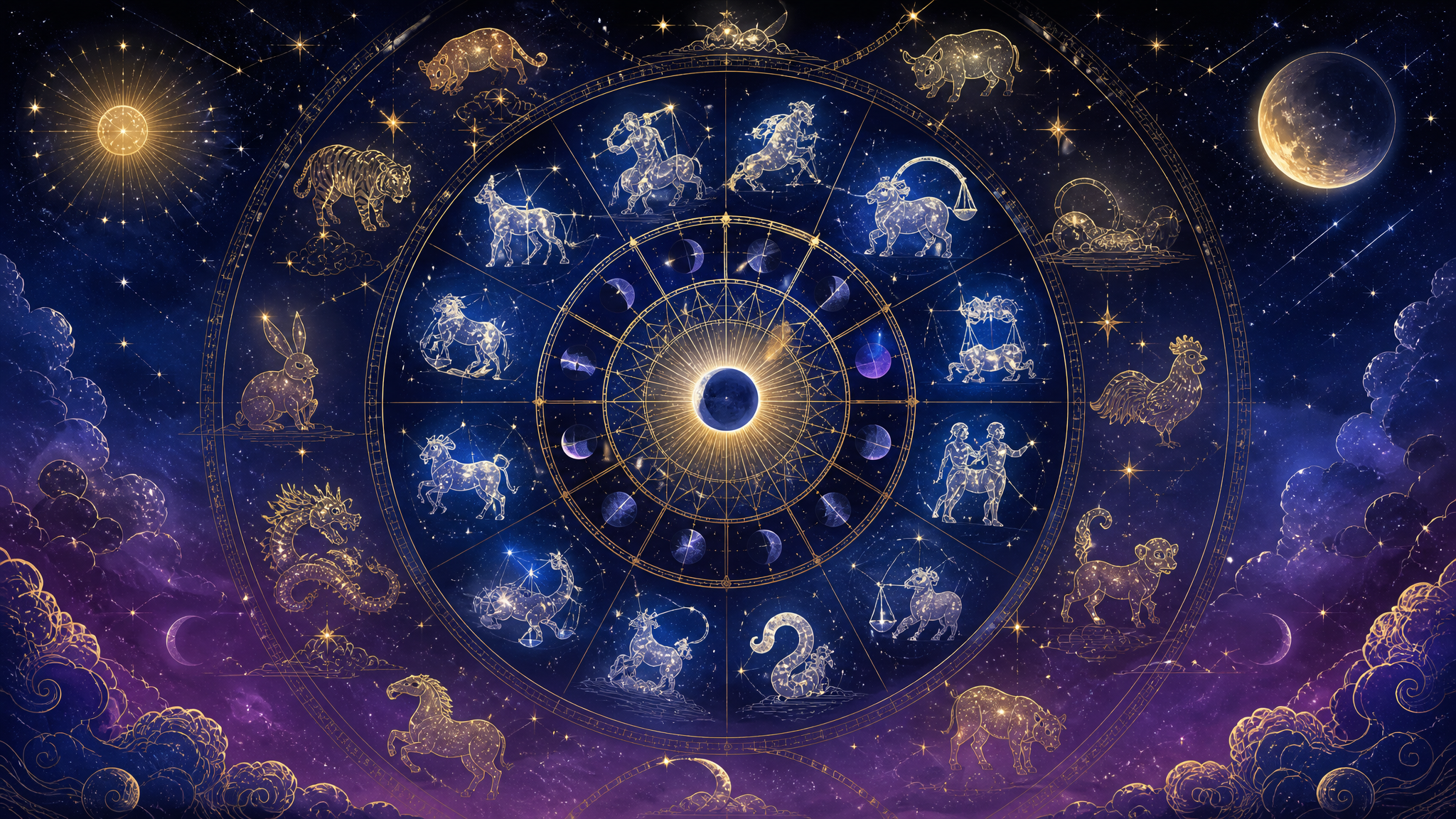
People familiar with Western horoscopes are often surprised by how differently Chinese Astrology approaches the same fundamental question: what does the moment of your birth say about your life? Both are sophisticated traditions, but they are built on different foundations.
Different Calendars, Different Cycles
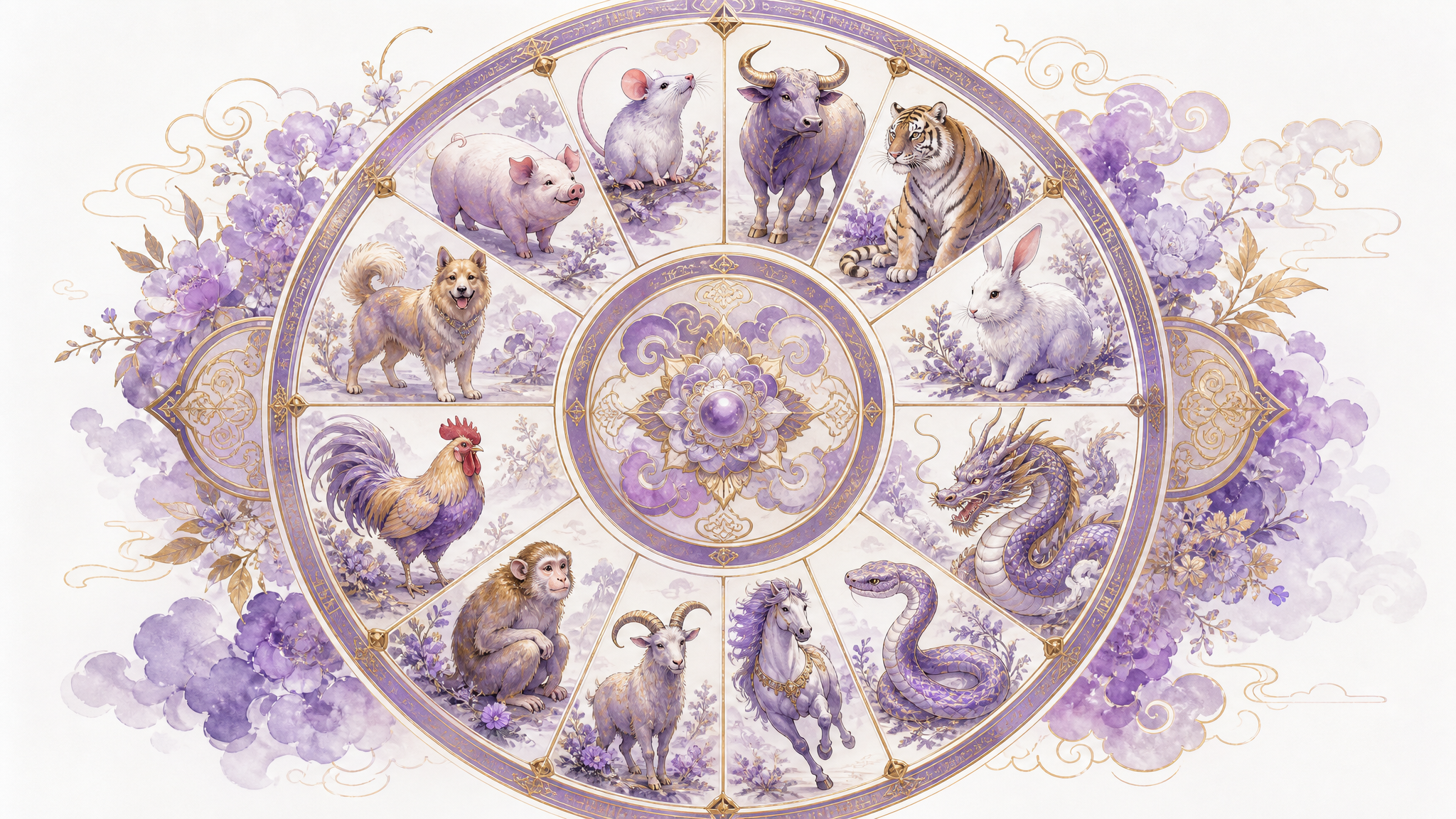
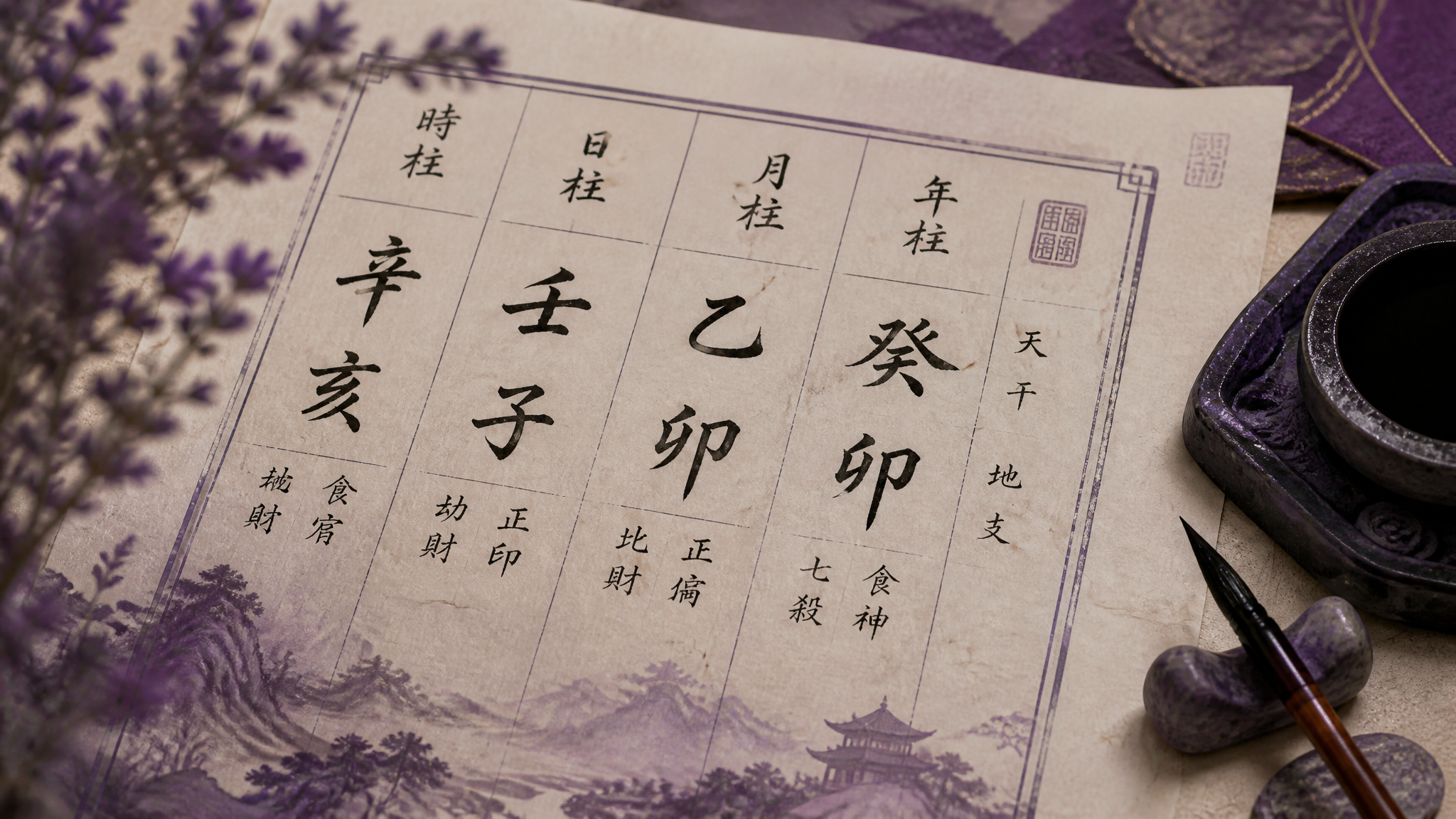
Western astrology is solar: your sun sign is determined by the month of your birth as the Sun moves through the twelve constellations of the ecliptic. Chinese Astrology is built on the lunisolar calendar and the sexagenary cycle — a 60-year cycle combining ten Heavenly Stems and twelve Earthly Branches. Your Chinese Zodiac animal comes from your birth year, and the full system extends to the month, day, and hour.
Elements and Structure
Western astrology works with four elements — fire, earth, air, and water — and the positions of planets in houses and aspects. Chinese metaphysics works with five elements: Wood, Fire, Earth, Metal, and Water, each in yin and yang polarity. The interactions between these elements (producing, controlling, weakening) form the analytical engine of Bazi and Feng Shui alike.
Purpose and Application
Western astrology often emphasizes psychological insight — personality, motivation, inner dynamics. Chinese Astrology is famously pragmatic: it is concerned with timing, decision-making, and alignment. When should I change careers? Is this a favorable year for marriage or investment? Which environments support me? These are the questions Bazi and the Chinese Zodiac tradition were designed to answer.
Neither system is “better” — they are different lenses. Many of my clients enjoy Western astrology for reflection and use Chinese Astrology for strategy and timing.
Want guidance tailored to your chart?
Book a personal consultation with Master Hui — Bazi, Feng Shui, Chinese Astrology, or Divination.
Book a ConsultationFrequently Asked Questions
Is Chinese Astrology more accurate than Western astrology?
Neither system is objectively “more accurate” — they answer different questions. Western astrology tends toward psychological insight; Chinese Astrology is pragmatic, focusing on timing, decisions, and alignment. Many people use both for different purposes.
Why is my Chinese zodiac sign based on my birth year?
The popular zodiac animal comes from the Earthly Branch of your birth year in the 60-year sexagenary cycle. The complete system — Bazi — also assigns stems and branches to your month, day, and hour, producing a much more individual chart.
Do Chinese and Western astrology use the same elements?
No. Western astrology uses four elements: fire, earth, air, and water. Chinese metaphysics uses five: Wood, Fire, Earth, Metal, and Water, each in yin and yang polarity, with defined producing and controlling relationships between them.
Can I combine both systems?
Yes. Many clients enjoy Western astrology for reflection and self-understanding while using Chinese Astrology and Bazi for strategy — when to change jobs, when to launch, which years favor major commitments.
About the practitioner
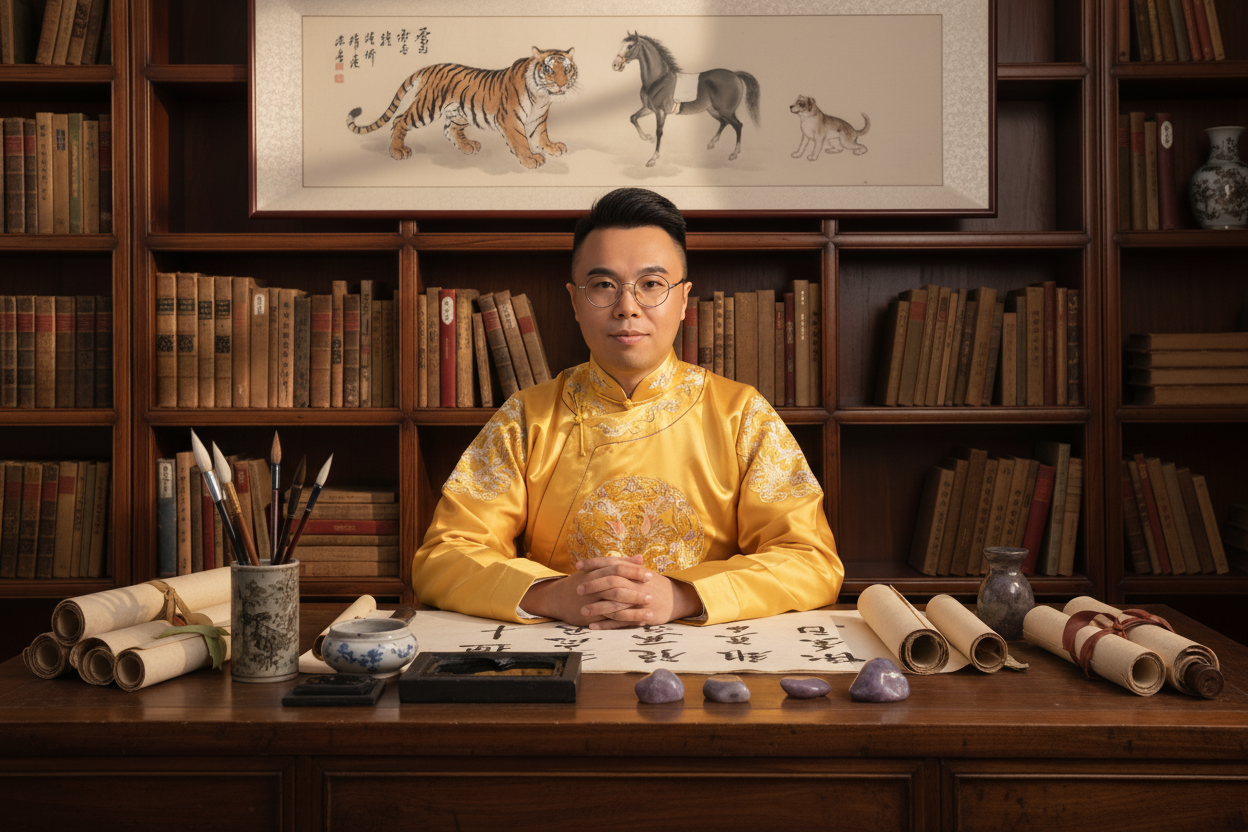
Master Hui is a Chinese metaphysics practitioner who has offered Bazi (Four Pillars of Destiny) readings, Feng Shui consultations, Chinese Astrology forecasts, and I Ching divination since 2009 — 17 years of continuous practice and thousands of charts read. Every reading is prepared individually, explained in plain language, and focused on practical decisions rather than fear-based predictions.